

Stealth and concealment have long been essential for a wide range of activities, from military operations to recreational pursuits like hunting. Camouflage netting, commonly referred to as camo nets, offers an effective way to blend into natural surroundings or shield valuable assets from view. Understanding the different patterns, dimensions, and practical uses helps both professionals and enthusiasts select the ideal solution for their particular needs.
What is camo netting and how does it work?
Camo netting is made from lightweight fabric or synthetic materials featuring irregular patterns and colors designed to break up outlines against natural backgrounds. By diffusing shadows and distorting shapes, these nets reduce the visibility of objects to both human observers and, in some cases, electronic surveillance systems.
This technology relies on visual effects that replicate woodland, desert, or snow environments through carefully chosen patterns and colors. Advances in material science have led to waterproof and weather-resistant properties, making today’s camo nets more durable and reliable during extended outdoor use.
Main areas of application for camo nets
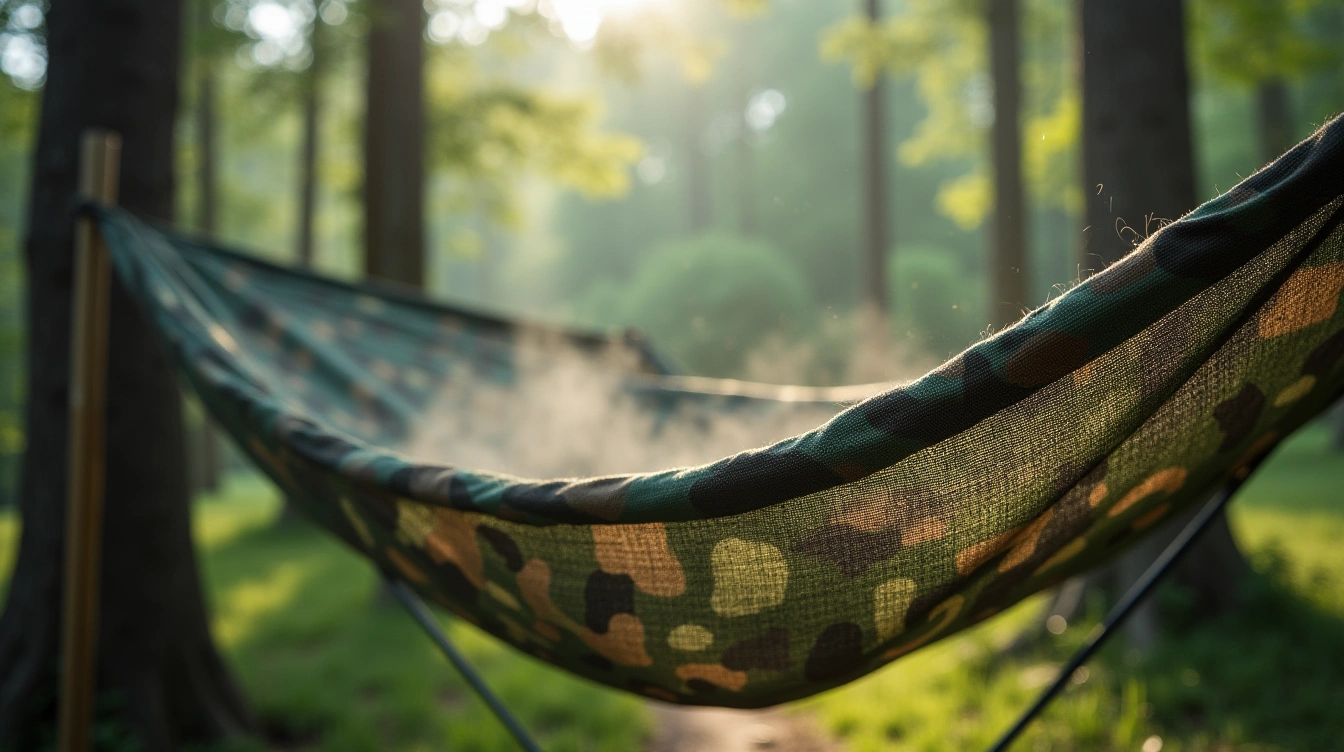
The adaptability of camouflage netting means its usage extends well beyond traditional battlefields. Two important domains benefit especially from its unique advantages. For those looking for reliable concealment options across various applications, camo netting provides solutions tailored to both professional and recreational needs.
Why is camouflage netting essential for military use?
The military remains the primary innovator and user of camo nets. Armed forces rely on them to hide vehicles, equipment, ammunition depots, and field camps from enemy observation. Modern army surplus netting often includes features such as infrared absorption or special coatings to counter thermal imaging technologies.
Flexible deployment enables quick changes in position without leaving noticeable traces, which is vital in both defensive and offensive maneuvers. Specialized netting for hides and blinds can keep snipers or reconnaissance teams concealed for long periods during critical missions.
How do hunters and outdoor enthusiasts benefit from camo nets?
Hunting is one of the most common civilian applications for camo nets. When setting up netting for hides and blinds, sportsmen create temporary shelters that keep movements hidden from game, improving the likelihood of success. The choice of patterns and colors depends on local habitats, whether dense forests or open fields.
Wildlife photographers, birdwatchers, and campers also value camo nets for minimizing disturbance in nature. Their lightweight construction ensures easy transport and setup, making them suitable for both brief outings and longer expeditions.
Patterns, colors, sizes, and dimensions explained
Choosing the right camouflage netting involves considering several variables that influence effectiveness in various conditions. Manufacturers offer numerous options so users can tailor their selection to specific environmental requirements.
Which patterns and colors are available?
Patterns usually imitate textures found in nature, such as leaves, branches, grasses, sand, or snow. Popular choices include woodland, desert, urban, and winter designs. Effectiveness increases when colors are matched to the season and location—for example, greens and browns suit summer woods, while tans and grays fit arid or autumn landscapes.
Modern printing allows for highly detailed finishes, enhancing realism. Some advanced military models incorporate digital pixelation, disrupting detection at various distances and confusing both human vision and optical devices.
How do sizes and dimensions affect usability?
Camo nets come in many sizes and dimensions, from compact covers for personal gear to large sheets for multi-vehicle protection or encampments. Selection is based on needed coverage, weight limits, and portability. For instance:
- 🦌 Small: Covering backpacks, scopes, cameras, or single-person hides
- 🚙 Medium: Concealing ATVs, tents, or grouped supplies
- 🚚 Large: Overhead protection for trucks, armored vehicles, or static installations
Custom-cut options accommodate irregular shapes, and some nets feature mesh backing for added strength while maintaining breathability.
Durability: waterproof and weather-resistant features
Outdoor exposure subjects camo nets to harsh elements such as sunlight, rain, wind, and fluctuating temperatures. Recent innovations focus on improving waterproof and weather-resistant attributes, ensuring that nets remain functional even under demanding conditions.
For enhanced longevity, users look for nets with UV stabilization, anti-mildew treatments, and reinforced edges. These qualities help prevent deterioration and tearing, making current products significantly more dependable than older army surplus models.
Industrial, agricultural, and safety uses beyond concealment
Although often associated with stealth, camo netting now plays an important role in industrial and safety settings. Organizations increasingly employ large-scale nets in ways unrelated to traditional camouflage.
How is camo netting used in construction and public events?
On construction sites, camo nets act as shade cloths, dust barriers, and debris catchers. Their flexibility makes them ideal for fast setups or temporary enclosures where appearance and reduced visual impact are important. Event organizers use decorative nets to create themed backdrops, pathways, or crowd control zones that integrate seamlessly with parks and outdoor venues.
Municipalities may deploy camo nets to obscure unsightly work zones, helping maintain a pleasant environment during projects in populated neighborhoods.
What role does camo netting play in agriculture and emergency services?
In agriculture, waterproof and weather-resistant nets protect crops from hail, excessive sun, or pests and serve as windbreaks along exposed fields. Emergency response teams utilize them for mobile triage centers or supply areas during disaster relief. The combination of durability, rapid setup, and controlled visibility makes camo nets attractive for safeguarding resources and personnel.
Innovative versions with reflective strips or colored overlays broaden their utility, enabling signaling or guidance functions when required.
Comparing camo netting types and user needs
The choice of camo nets depends heavily on context, mobility requirements, budget, and desired concealment level. The following table highlights three common categories and their typical uses:
| 📌 Type | 🎯 Feature | 🏞️ Ideal use |
|---|---|---|
| Army surplus classic | Heavy-duty, durable, basic camouflage | Static positions, vehicle or facility cover |
| Modern synthetic mesh | Lightweight, waterproof, UV-resistant | Mobile teams, hiking, quick hides |
| Decorative/festival | Non-military color themes, airy design | Events, stage backgrounds, urban spaces |
Aligning the net’s specifications with anticipated challenges leads to better results in terms of durability and performance. Balancing concealment, portability, and structural integrity ensures optimal outcomes across all scenarios.
Common questions about camo netting and its many uses
What should I consider when choosing camo netting for hunting or wildlife watching?
When selecting camo nets for hunting or observing wildlife, it is crucial to match patterns and colors to the local landscape for maximum concealment. Consider the appropriate size for your hide or blind, and choose lightweight, waterproof and weather-resistant options if you need portability and fast setup. Reinforced edges and mesh support will extend the lifespan, especially if you frequently move your gear.
- 🌳 Match pattern to habitat type
- 🦆 Select size based on shelter or gear
- ☔ Prioritize moisture resistance
Can camo netting really protect against detection by modern sensors?
Basic camouflage netting is very effective at deceiving the human eye. Some advanced military models go further by absorbing or scattering infrared light, reducing visibility to night vision and thermal imaging devices. While no method guarantees total invisibility from all surveillance technologies, proper use combined with natural cover greatly improves stealth, especially for stationary targets.
| ⚡ Sensor type | 🛡️ Camo efficacy |
|---|---|
| Visual (daylight) | Excellent with correct color and placement |
| Infrared | Moderate to high (with treated nets) |
| Radar | Low—requires specialized layering |
Are there non-military or non-hunting applications for camo nets?
Absolutely, camo netting has many uses outside the military or hunting realms. Industries use it for providing shade, controlling dust, or creating privacy screens at events. In agriculture, nets protect crops, while emergency services use them for rapid-deployment shelters. Decorative applications continue to expand, particularly for festivals and urban landscaping.
- 👷 Construction safety barriers
- 🌾 Crop protection from weather and pests
- 🎉 Event decor and crowd management
How does waterproof and weather-resistant construction benefit long-term use?
Waterproof and weather-resistant camo netting withstands repeated exposure to rain, sunlight, wind, and temperature extremes. This resilience prolongs service life, maintains shelter functionality, and prevents rot or fading. For anyone requiring consistent protection, durable nets reduce replacement needs and preserve camouflage efficiency throughout lengthy projects or expeditions.